

There’s something to be said about maps. I’ve always loved them, ever since I unearthed the gigantic atlas in my grandfather’s attic, revealing maps from all eras of history and how they shaped the world around them, as much as they depicted them. I was most fond of the oldest maps where parts faded into terra incognita, vague estimations of rumored landmasses shrouded beyond the fog of discovery. In many ways, games present similar forays into those parts unknown, final frontiers of adventure which have become all but lost in the modern world. A chance to roll back the horizon a little, and explore undiscovered lands.
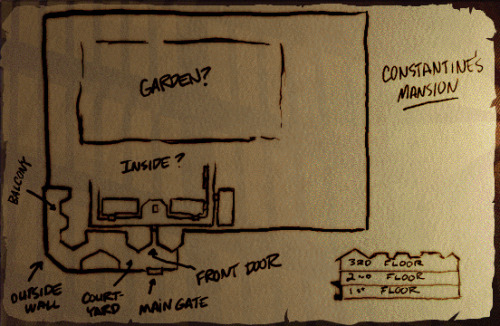
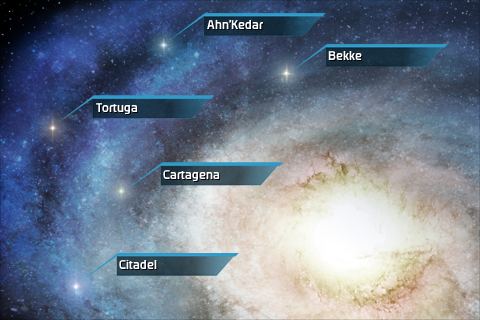
Often it falls to the game’s map to convey the essence of the game as much as the lay of the land. Thief: The Dark Project revels in its challenging minimalism, while Mass Effect employs its map as the main trunk of narrative control. Whether a map spells out the paths boldly or offers the player more subtle direction, maps embody both the aesthetic of a game as well as present the player its lore, opportunities, and choices.
Those choices represent the player’s journey through a story, their ownership of strategic decisions that create a lasting memory of their personal campaign. The more distinctly the choices allow a player to differentiate their decisions from another, the more unique the experience. The delivery of the player’s choices then is the very heart of game design, whether the narrative structures are linear or offer branching opportunities for the player to explore.
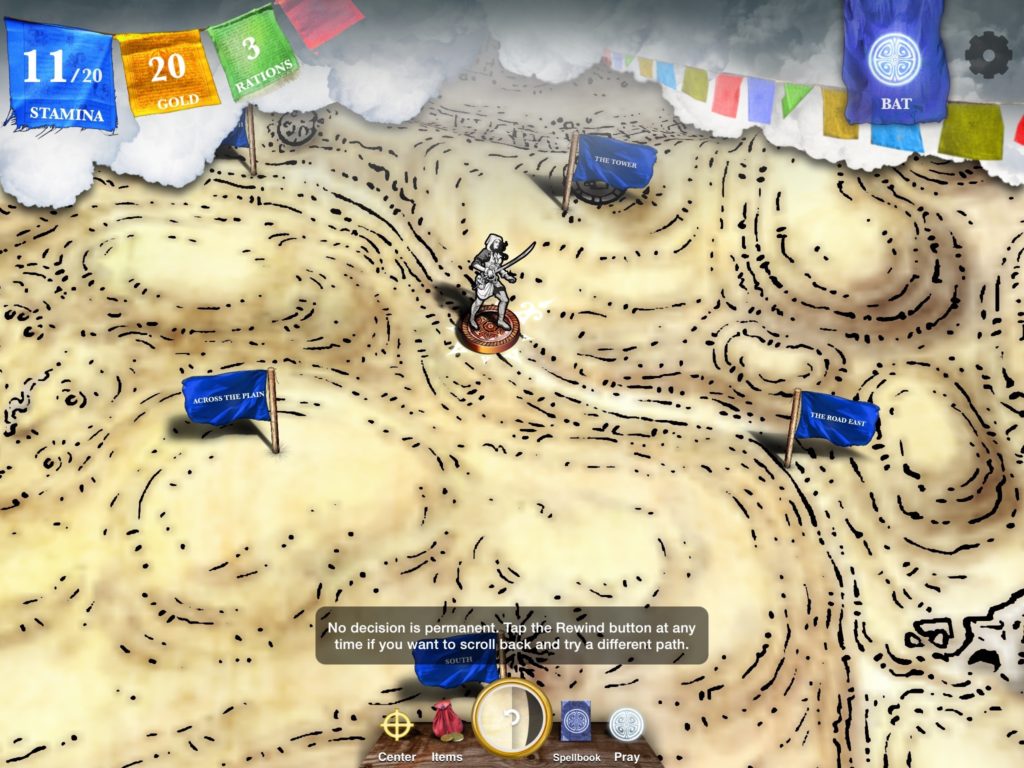
Presenting evidence of those choices is something Jon Ingold mentions as key in his GDC talk on innovation in interactive fiction, reflecting on inkle’s pursuit of engaging branching narrative. To underline the significance of the player’s choices in Sorcery, he says they used the map to both chart progress through the plot as well as to demonstrate visually where branches opened and closed by the selections made. That has a powerful impact on a player’s sense of agency, where they witness the world impacted in a meaningful way by their choices.
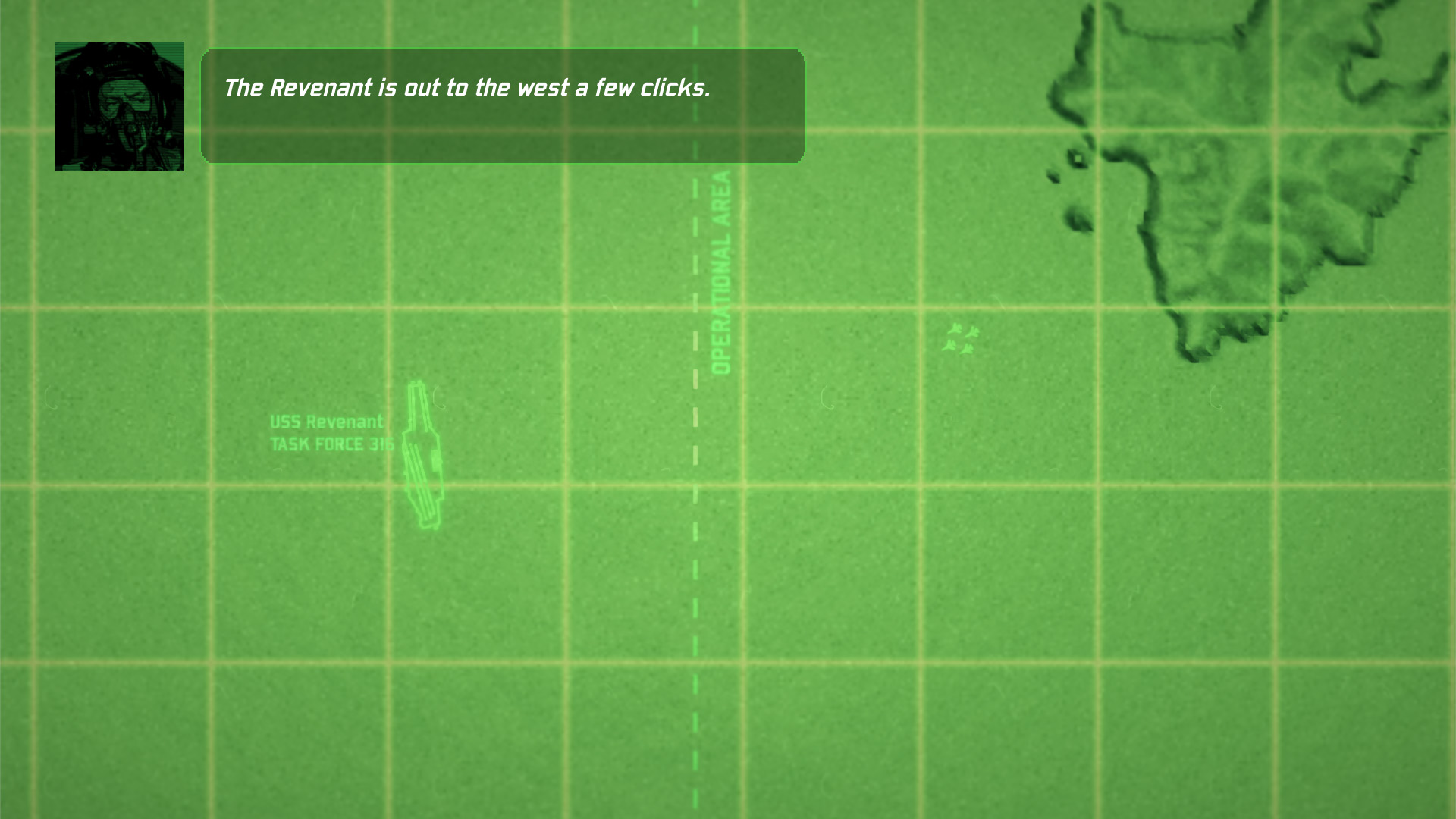
The power of maps is not to be underestimated, just as in real life: where the fall of a line “here” rather than “there” results in events unfolding beyond the humble means of their origin. So too the maps that game developers toil over in their editors begin to seem like battle plans, with lines drawn to chart emerging paths and trigger the unfurling of new history. In truth the maps in games are twofold: partially obscured from the player, ruthlessly devised and brimming with hidden potential; and partially left open for the player to fill in for themselves according to their own plan, just as those faded maps of my grandfather’s tome invited explorers to complete them.
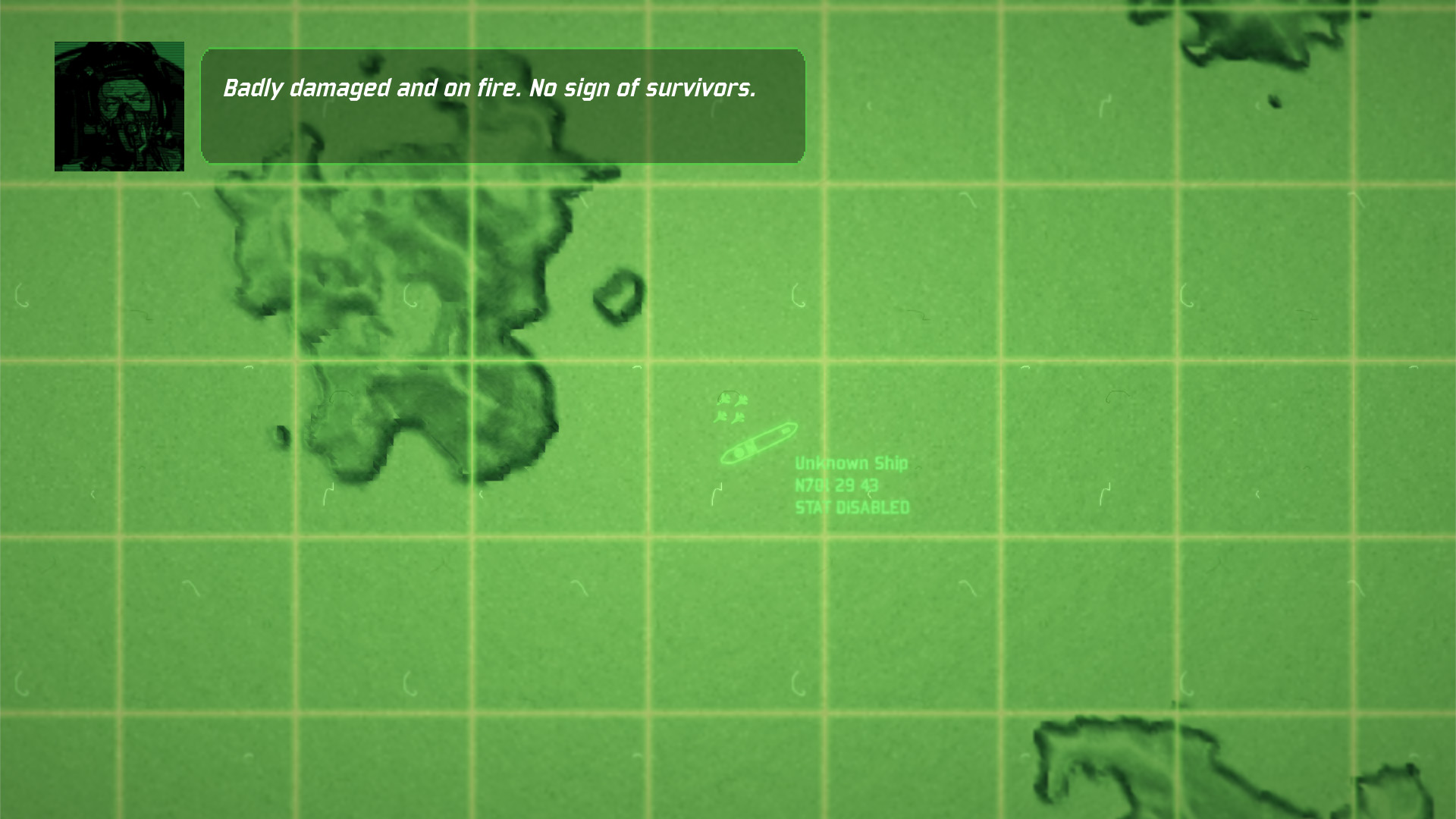
Lately I’ve been pondering the significance of Thunder Highway’s map mechanics, and its parallels to worlds both real and imagined, which is what led me to this musing entry. There’s much still to be charted for both story and history, and the way ahead is far from set, but with every crested hill the landscape becomes ever more clear, both in mind and in game.
 Jesterbox Creations